
An awkward Adelaide backyard can make a straightforward pool fence feel impossible. Sloping ground, tiered levels, retaining walls and boundary lines close to the pool all affect whether a barrier can be built compliantly without swallowing the remaining space. The hardest part is rarely the material; it is the geometry. In this tutorial, we break down the design decisions that matter before anyone arrives on site.
You will learn why geometry decides awkward-yard pool fencing, what actually counts as a pool barrier, and where barrier height is measured on sloping ground. We then cover tiered yards, retaining walls as part of the barrier, stepping panels, and the boundary returns that often trip people up. You will also see where aluminium slat pool fencing earns its place on tight blocks, how glass, mesh and other pool fencing options fit as market context, and how to get the design right before install day. By the end, you will understand how to solve the geometry first, then choose the material with confidence.
Why Geometry Decides Awkward-Yard Pool Fencing
On an awkward block, the material is the last decision, not the first. Panel lengths, step positions, post fixings and boundary returns determine whether the barrier works before you compare aluminium, glass or mesh. Get the geometry wrong and no product saves it.
Most failed designs are measurement failures, not material failures: barrier height taken from the wrong ground level, a rail that becomes climbable where the fence drops, or a boundary return that stops short of the fence line. New Fence Adelaide’s approach is to settle geometry at design stage, because changes made once posts are in the ground are the expensive ones.
Adelaide blocks vary widely. Hills-face sites, split-level rear yards, narrow infill allotments and older subdivisions with odd boundary angles each create a different set of problems, and solutions rarely transfer.
This guide covers design principles and the questions to ask at planning stage. It is not a substitute for current South Australian compliance advice on your specific site. For the wider rules, see our guide to SA pool fence regulations for Adelaide homeowners.
Barrier Function First: What Actually Counts as a Pool Barrier
A pool barrier is defined by function, not material. Building guidance in other states describes it as an assembly that restricts access to the pool area: fences, posts and panels, gate units and gates, plus constructed or natural walls such as retaining walls, and building sides.
That definition matters on awkward blocks. A retaining wall, boundary fence or building side can form part of the barrier, provided it meets the requirements for that role (as covered in the geometry section, total property enclosure is never enough on its own).
Non-climbable zones then drive the layout. These are clear spaces around a barrier where nothing climbable is permitted, and their position and size change depending on whether the barrier is an internal fence or a boundary fence. The pool barrier standard, currently AS 1926.1, confirm the edition in force in South Australia with your council, sits behind those zones.
The rules target access, not looks, because the majority of drowning deaths in private swimming pools involve children under five. Our guide to pool fence compliance in Adelaide explains what inspectors check.
With that definition settled, the next question is where you measure barrier height on sloping ground.
Sloping Ground: Where You Measure Barrier Height From
On a slope, barrier height is measured from finished ground level, so you must fix the reference point at every position along the run. Which side of the fence is the reference on a sloped block should be confirmed with your council or a building surveyor. A run that clears the minimum at the top can fall short at the bottom where ground drops away. The same fence that looks generous from the house may read as a ladder from a neighbour’s side.
Ground level is not soil level. Anything that raises the surface against the fence, paving, decking or a garden bed, potentially moves the measurement reference, though confirm this with the current standard. A raised garden bed or new paving against the panels added after install can create a fresh climbable point and undo a design that passed on install day.
Practical fix: set out the line on site before anything is fabricated, mark heights at intervals along the run, and note every place the ground changes. If you are considering raising an existing fence instead, read our guide to fence extensions in Adelaide before assuming it will solve a height problem.
Tiered Yards and Retaining Walls as Part of the Barrier
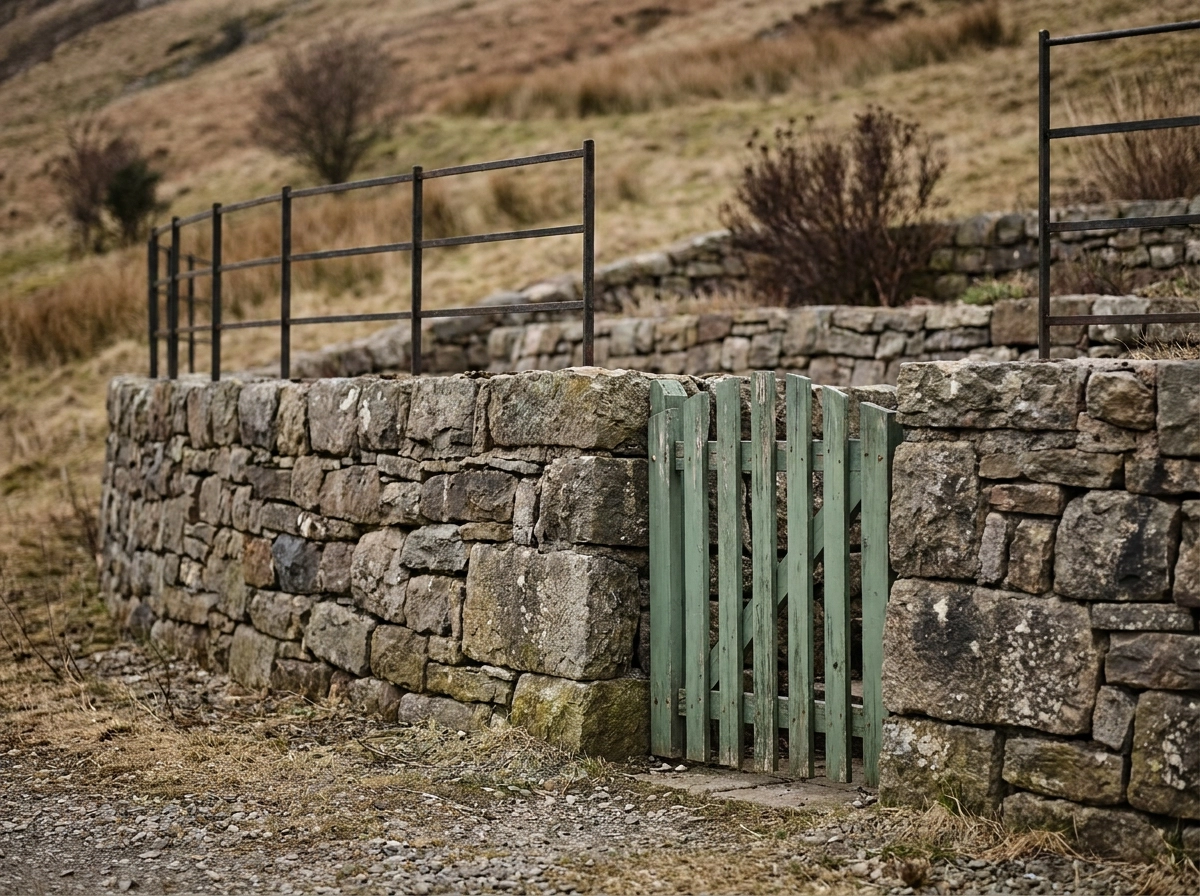
Where a yard is tiered, the measurement rule from the level above still applies, but every level change adds a second problem: the geometry of the barrier on either side of it.
A retaining wall can form part of the pool barrier, but only where it meets the requirements for that role. AS 1926.1 specifies requirements for fences, gates and retaining walls as barrier elements, so a wall is assessed as a barrier component rather than as landscaping.
Barrier checklists in other states refer to a much greater effective height where a retaining wall forms part of the barrier on the high side of the pool. Treat the wall and any fence above it as one assembly, not two separate structures. Those checklists are legacy references drawn from other jurisdictions, so confirm current South Australian requirements for your site.
Retaining walls are usually built first, for structural reasons. That is fine, but the barrier design has to work with the wall as it is built, including its height, its finish and how climbable its face is.
Then check footholds. A garden bed, low retaining edge, step, filter box, pump cover or air conditioner unit beside a fence line gives a child something to stand on.
Get the wall and the fence designed together. Retrofitting a compliant barrier onto a finished retaining wall is where tight yards lose usable space.
Stepping Panels: Making the Fence Follow the Ground Properly
Stepping is how a fence run follows a slope: panels sit level in short sections and step down between them, rather than racking at an angle with the ground.
Each step changes the geometry of every joint. Panel lengths, post positions and the gap under the bottom rail need to be set out on a drawing, not solved on the day.
Where panels step, two things need checking: the gap under the barrier and whether the step itself offers a foothold. Barrier guidance in other states caps how large a gap under a barrier can be, so confirm the current South Australian figure rather than assuming it.
A stepped run generally needs more posts than a raked run of the same length, and on a small block that extra structure takes usable yard. Raked panels follow gentle slopes with fewer posts, but the angle changes how the panel meets a boundary fence and can create a climbable junction.
If an existing fence along the run is already weathered or loose, sort out repair versus replacement before set-out. Our guide on how to tell when your Adelaide fence needs repair vs full replacement explains how to make that call.
Tight Blocks and Boundary Returns: The Junction That Trips People Up
Stepping decides how the run follows the ground; the boundary return decides whether the barrier actually closes. That return is the short section tying your pool fence back to the boundary fence, and it is where barriers most often fail assessment. The junction is the problem. Boundary rails, palings or a top rail sitting at climbable heights near the pool fence line hand a child a foothold over the barrier.
Legacy checklists refer to maintaining approach-side and inside non-climbable zones at the junction and keeping the top rail narrow, treat those as reference pointers and verify the current figures.
On a narrow block the return also eats usable yard. If it has to run a set distance, either the fence line or the pool must move. Raise options early: a full-height boundary section, for example a Good Neighbour fencing in Adelaide run along the boundary itself, a non-climbable infill at the junction, or shifting the fence line so the return lands where the boundary fence is already compliant.
Aluminium Slat Pool Fencing Where the Yard Is Tight
Boundary returns are where geometry gets expensive, so it pays to consider the material that squeezes into that space most easily. Aluminium slat fencing is one of the pool fencing types well suited to tight Adelaide yards. It is slim, visually light, and can run at full height along a boundary line.
Vertical slats give a non-climbable face and predictable aperture spacing, which makes the barrier simpler to design and easier to check than a fence with horizontal rails. New Fence Adelaide specialises in aluminium slat fencing alongside Colorbond, Good Neighbour and pool fencing, so material choices and barrier geometry can be worked through together. It also helps to understand what installed aluminium slat fencing costs in Adelaide before locking in a design.
Where a boundary fence doubles as the pool barrier, a full-height aluminium or Colorbond run may eliminate the need for a second inner fence line, though the junction and barrier compliance must still be verified on site.
None of it is automatically compliant. Aperture, height, bottom gap and the junction with existing fencing still have to be measured on site.
Glass, Mesh and Other Options as Market Context
Aluminium slat is not the only material in play, so it helps to know what else Adelaide homeowners compare.
Glass pool fencing is a popular choice where sightlines matter, and frameless or semi-frameless panels can make a small yard feel larger. It is worth understanding as a market option, though it is not one New Fence Adelaide lists.
Because glass panels are rigid and pre-sized, installers typically suit them to straight, level runs; short stepped runs on steep slopes require more careful panel selection. Confirm suitability with the installer. Mesh and perforated barriers serve projects where budget and visibility both matter, but aperture size, tensioning and fixing details still have to satisfy the barrier requirements. For a closer look at how the two common materials stack up, read our comparison of glass vs aluminium pool fencing in Adelaide.
None of that changes the three questions: how is height measured along the run, where does the run step, and how does it meet the boundary. That substitution, boundary fence in place of a second inner run, is explored in the aluminium section above.
Getting the Design Right Before Install Day
Whichever material you lean towards, the design work comes first. As the sloping-ground section explains, mark heights at intervals before fabricating. Bring a site plan or survey, the pool position, the pump and filter location, any retaining walls and your preferred gate position to the conversation.
Ask your installer or building surveyor about gate swing requirements, on a tight or tiered block the gate position often determines the whole fence layout. Gate swing and latch requirements are worth raising with your installer at the first conversation.
Check the current South Australian requirements before locking in a design. Plenty of online pool fencing advice still quotes superseded practice notes and older standards, and the NCC and pool barrier standards have moved on (see the SA Law Handbook).
Get site-specific advice. A layout that works on a flat block can fail on a hills-face or split-level block, and it is easier to resolve on paper than after posts are in the ground. Knowing what to expect from site prep through to completion helps you plan that set-out stage properly.
Conclusion: Solve the Geometry, Then Choose the Material
With the set-out complete, settle the geometry before comparing materials. Those three geometric questions, measurement reference, step positions, and boundary return, are the same ones each earlier section addresses.
Lock in gate position and boundary returns at design stage. Together they determine how much usable yard survives the fence line.
Retaining-wall and boundary-fence integration, covered above, is where late changes cost the most.
Where space is short, a full-height aluminium slat or Colorbond run along the boundary often works harder than a second fence line inside the yard. It uses the boundary you already have.
Finally, confirm current South Australian requirements and get a site-specific set-out. New Fence Adelaide installs Colorbond, Good Neighbour, pool and aluminium slat fencing across Adelaide, and can work through the geometry with you before anything is ordered. Solve the geometry first, and the material decision becomes straightforward.