Choosing a fence for your home sounds simple enough, right? But once you start weighing up your options, it quickly becomes one of those decisions that feels a lot more complicated than expected. Timber or Colorbond? Classic or contemporary? Low maintenance or low upfront cost? If you’re an Adelaide homeowner feeling a little overwhelmed by it all, you’re in the right place.
Both fencing types have real merit, and the “best” choice genuinely depends on your lifestyle, budget, and what you want your property to look like. Timber brings warmth and a natural charm that blends beautifully with gardens, but it does come with some ongoing maintenance responsibilities. Colorbond, on the other hand, is tough, sleek, and built to handle the Australian climate with minimal fuss.
In this post, we’ll walk you through an honest comparison of both options, cover a clever hybrid solution worth considering, and help you figure out which fence actually suits your home. By the end, you’ll have everything you need to make a confident, informed decision.
Quick Comparison at a Glance
Before you dive into the detail, here’s a snapshot of how the two main options stack up, plus a third path worth knowing about.
| Feature | Timber | Colorbond | Hybrid (Colorbond panels + timber posts) |
|---|---|---|---|
| Upfront cost | $75–$300/m (species-dependent) | $85–$200/m | Mid-range |
| Maintenance | High (regular oiling/sealing required) | Low (occasional rinse) | Low-moderate |
| Expected lifespan | 10–15 years without upkeep | Long lifespan | 20+ years |
| Aesthetic style | Natural, warm, traditional | Clean, modern, consistent | Best of both |
| Termite risk | High | None | Low (steel panels) |
| Summer heat | Warps and dries without treatment | Heat-resistant, no warping | Panels hold up well |
| Bushfire zones | Requires fire-rated species or treatment | Non-combustible, check BAL requirement with installer | Check panel compliance |
Pricing varies by location too. Homeowners researching Colorbond fencing costs in Burnside or Colorbond fencing costs in Christie Downs will find local factors like block size and soil conditions affect the final figure.
The short version: timber wins on natural aesthetics, Colorbond wins on durability and low maintenance, and the hybrid sits in the middle on both counts. Adelaide’s climate adds a few wrinkles to the standard comparison, particularly around termite pressure, summer heat, and bushfire zone requirements. Each factor is worth unpacking before you commit either way.
Timber Fencing: The Case For and Against
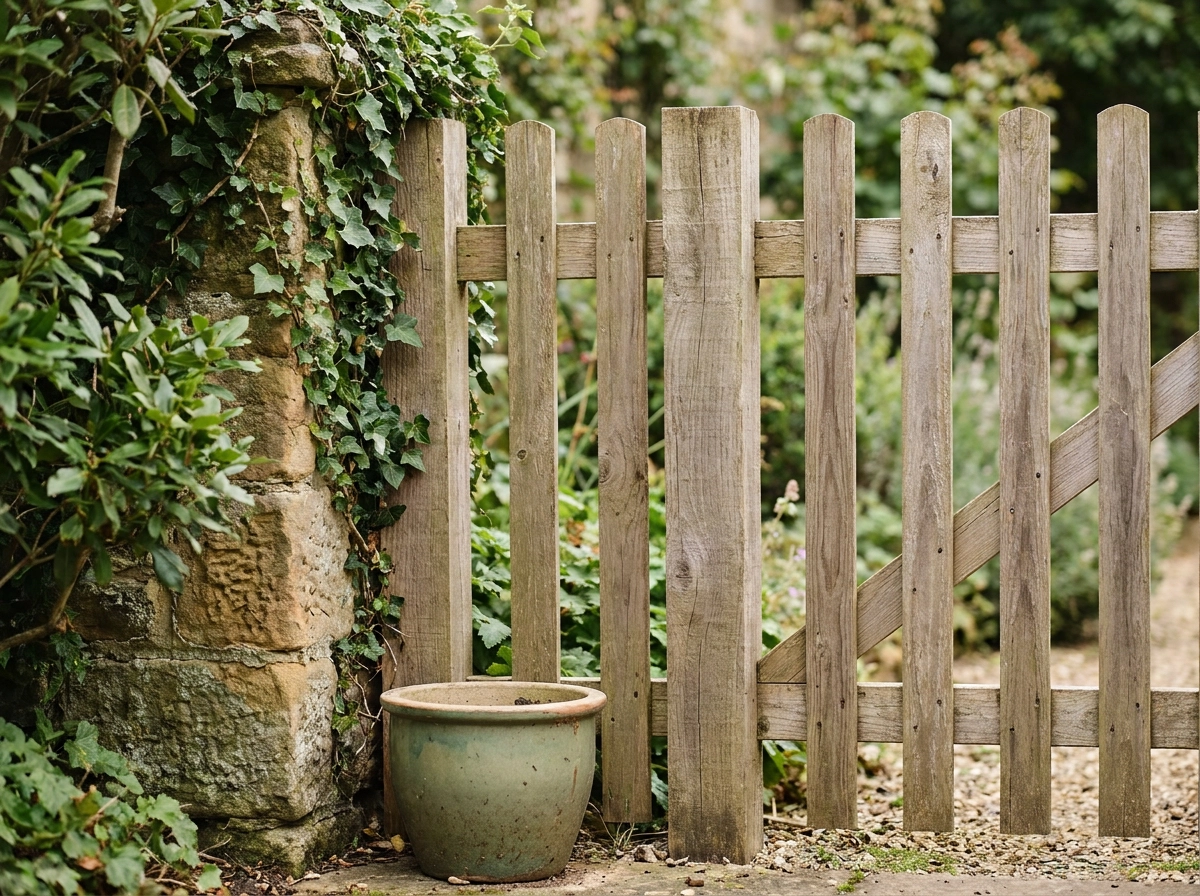
There’s a reason timber fencing remains popular in suburbs like Burnside, Stirling, and Unley. Natural wood brings a warmth and character that steel simply cannot match, blending effortlessly with established gardens, sandstone walls, and heritage streetscapes throughout the Adelaide Hills and inner suburbs.
The cost range is wide. Treated pine sits at $75 to $120 per metre, making it the most affordable entry point. Premium hardwoods like spotted gum and ironbark push costs up to $300 per metre, with labour adding another $50 to $100 per hour on top. Your species choice matters as much as your budget.
Adelaide’s climate can be hard on timber, summer heat can dry and stress boards, while seasonal moisture at the base accelerates wear if the wood is untreated. Termite pressure is a real consideration in many Adelaide suburbs, particularly in areas with established tree cover and sandy soils, meaning untreated or under-maintained fences face pest risk year-round.
That maintenance commitment is not occasional; it is seasonal and ongoing, as covered in the comparison above, neglected timber fences rarely reach their potential lifespan.
Timber makes the most sense for homeowners who:
- Prioritise natural aesthetics above all else
- Are genuinely prepared to commit to annual or biannual upkeep
- Choose species suited to local conditions, treated pine or hardwood palings rather than untreated softwood
If that profile fits you, get quality fencing in Adelaide installed to the right spec from the start, because species selection and correct treatment at installation determine how long your fence actually lasts.
Colorbond Fencing: The Case For and Against
If timber’s charm is its warmth, Colorbond’s appeal is the opposite: it asks almost nothing of you once it’s in the ground.
Durability and maintenance
Colorbond is manufactured from BlueScope steel with a baked-on paint finish that resists chipping, peeling, and cracking. It won’t rot, warp, or attract termites, and the maintenance routine is genuinely simple: rinse it down occasionally and you’re done. No oiling, no sealing, no annual pest treatments.
What it costs
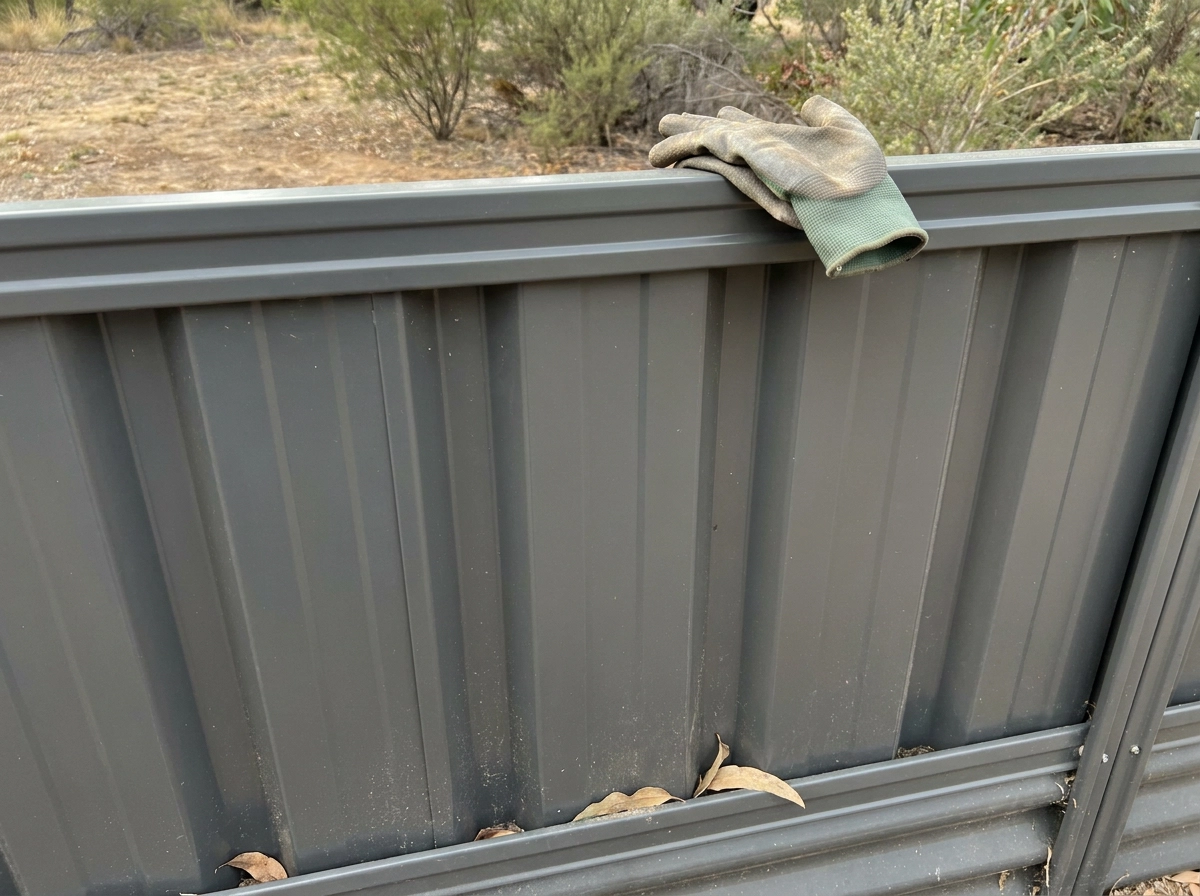
Standard Colorbond panels run $85 to $150 per metre installed. Premium configurations, including extra height or decorative detailing, can reach $200 per metre. That’s a narrower range than timber, and without ongoing maintenance costs eating into your budget year after year. For more on what’s included in a typical installation, see the benefits of Colorbond fencing.
Why it suits Adelaide specifically
Adelaide’s summers are brutal, and properties in the Hills and outer northern suburbs sit in designated bushfire zones. Colorbond is non-combustible, making it a compliant choice for bushfire-prone areas, check the specific BAL requirement for your site with your installer or council.
Design flexibility
There are 15 standard colour options for fencing, covering everything from pale coastal tones to deep earthy shades suited to Hills properties. Matching your fence to your roofline or guttering is straightforward.
Who it suits best
Colorbond is the right call for homeowners who want a clean, modern look with minimal upkeep, especially in newer suburbs, bushfire-prone areas, or where resale presentation is a priority.
The Hybrid Option: Colorbond Panels with Timber Posts
If neither full Colorbond nor all-timber quite fits, a hybrid approach gives you a third path worth considering.
The setup is straightforward: timber posts are set into the ground as the structural frame, and Colorbond steel panels are fitted between them as the infill. You get the natural warmth of visible timber framing alongside steel panels that won’t rot, warp, or attract termites.
Cost sits in the middle ground. Upfront pricing typically lands between basic all-timber and premium Colorbond, depending on the timber species chosen for the posts. The long-term maintenance story is where the hybrid earns its keep: the panels cover the vast majority of the fence’s surface area, and Colorbond requires no oiling, sealing, or staining. You’ll still need to occasionally treat the timber posts, but that’s a fraction of the work involved in maintaining a full timber fence.
One structural note: the hybrid configuration works best on relatively level ground. If your block has a significant slope, expect additional installation complexity and higher labour costs to accommodate the grade properly.
Aesthetically, it’s a strong fit for established Adelaide suburbs where a fully industrial steel fence looks out of character with the streetscape, but the ongoing maintenance commitment of all-timber isn’t practical for the homeowner. The timber framing softens the look considerably.
This option makes the most sense when you’re partially replacing existing timber framing and want to keep a consistent visual style, when your budget doesn’t stretch to full Colorbond, or when you want a transitional look that bridges traditional and modern. If you’re exploring this route, the team at Colorbond Fencing, New Fences, Gates & Fence Repairs can advise on what works for your specific block.
Key Decision Factors for Adelaide Homeowners
So you’ve weighed up all three options. Now it comes down to what actually matters for your specific home. Here are the factors worth thinking through before you decide.
Budget over time, not just today
Colorbond typically costs more upfront, but factor in oiling, sealing, pest treatments, and the likelihood of earlier replacement with timber, and the ten-year total often favours Colorbond. The cheaper quote at the start can quietly become the more expensive fence over the decade.
How much maintenance are you willing to do?
Timber requires regular oiling or sealing plus termite inspections, particularly in Adelaide’s higher-risk suburban areas. Colorbond needs an occasional hose-down, and that’s largely it. Be honest about whether you’ll actually keep up with a maintenance schedule before committing to timber.
What suits your suburb?
Inner-city character homes and Hills properties often look better with timber or a hybrid style. Newer builds in the outer suburbs and coastal areas tend to suit Colorbond’s cleaner lines and modern colour palette. Drive around your street and take note of what works visually.
Privacy and noise
Both materials screen effectively. Colorbond’s solid steel panels leave no gaps, which may reduce incidental noise compared to slatted or gapped timber designs, though both materials provide effective privacy screening. If you’re on a busy street, that’s worth considering.
Pets and kids
Colorbond’s gap-free, smooth panels are harder for dogs to dig under or claw through. Colorbond’s solid steel construction is inherently harder to chew or claw through than timber, which can splinter or warp at ground level over time. If containment matters, Colorbond is the more reliable choice. You can find more detail on gate options in our Frequently Asked Questions About Colorbond Gates in Adelaide.
Council rules
South Australian regulations set height thresholds for fences that don’t require council approval, check with your local council for the specific rules that apply to your property. Dividing fence disputes are governed by South Australian fencing legislation, consult your local council for guidance. Check before you install anything, particularly if your block has unusual boundaries or is in a heritage zone.
Which One Should You Actually Choose?
Once you’ve worked through those factors, the decision usually comes down to a fairly clear profile.
Choose Colorbond if you want minimal ongoing maintenance, your property sits in a bushfire-prone or high-termite-risk area, you prefer a clean modern aesthetic, or you’re thinking about total cost of ownership rather than just the upfront price. Our Colorbond and aluminium slat fencing installation in Adelaide covers the full range of options available locally.
Choose timber if natural aesthetics are genuinely non-negotiable for you, you’re prepared to oil, seal, and inspect regularly, and you’re specifying a species suited to Adelaide’s conditions. Treated hardwood performs significantly better in local conditions than basic pine, so species selection matters.
Choose the hybrid if you want timber’s visual warmth without the full maintenance commitment, or your budget sits between the two primary options. Colorbond panels with timber posts deliver most of the low-maintenance benefit while keeping a softer, more traditional frame.
That said, no recommendation from a blog post replaces eyes on your actual site. Fence height, block shape, soil type, and any neighbour agreements all affect what will genuinely work for your property. Two houses on the same street can need quite different solutions.
New Fence Adelaide specialises in Colorbond fencing and can advise on hybrid configurations during a site visit. The goal is a straight answer matched to your specific block, not a one-size-fits-all quote.
Frequently Asked Questions
Does timber or Colorbond add more resale value?
A well-maintained fence of either type can support kerb appeal at resale. Colorbond’s low-maintenance profile means it is less likely to show visible deterioration over time, which can be a factor for buyers.
Which fencing type is better for containing pets?
Colorbond is the stronger choice for pet owners. The solid, gap-free panels leave no room to squeeze through, and Colorbond’s solid steel construction is inherently harder to chew or claw through than timber, which can splinter or warp at ground level over time.
Can I install either type myself?
Timber paling fences are often considered the more DIY-friendly option, though professional installation is still recommended for both materials to ensure structural compliance. Colorbond in particular requires correct post setting and panel alignment, which calls for specific equipment and know-how. If you want to understand what a professional Colorbond install involves, the Colorbond fencing, new fences, gates and fence repairs page from New Fence Adelaide is a useful starting point.
How long does installation take?
Installation time varies by fence length and site conditions; your installer can give a project-specific timeline during quoting.
Final Thoughts
Hopefully this comparison has given you a clearer picture of where each option fits. The right choice comes down to your maintenance appetite, your suburb’s character, and your site, as covered above.
It’s also worth remembering that Adelaide is not a generic market. The combination of hot, dry summers, high termite pressure, and South Australian council regulations means the right choice for a Hills property can be completely different from the right choice for a newer outer-suburban block, and the full cost picture over ten years matters more than the cheapest quote today. A national comparison article can only take you so far.
The most reliable next step is a conversation with someone who knows Adelaide fencing on the ground. New Fence Adelaide offers free on-site quotes across Adelaide, and we’ll give you a straight recommendation based on your actual block, your budget, and your goals rather than a one-size-fits-all answer. Get in touch today to book yours.